How a Simple Open Container Stop Can Turn Into a DUI Case
Key Takeaways: An open container ticket in Montana can lead to a DUI investigation, but the ticket alone does not prove impairment. Under MCA 61-8-1026, having an open container is a minor, non-criminal offense with a fine of no more than $100. The violation cannot be recorded or charged against a driver’s record, and insurers cannot use it to raise premiums. The law applies only when a person knowingly has an open container in the passenger area of a vehicle on a highway, and it has exemptions, such as for locked glove compartments, trunks, and passengers in certain vehicles. An officer may watch for signs of impairment during the stop, but expanding it into a DUI investigation generally requires particularized suspicion based on specific facts. If that happens, you may be able to challenge the stop, the field sobriety tests, and the chemical tests. Getting legal advice before you pay a fine or enter a plea can help protect your rights.
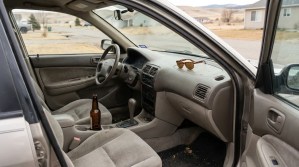
An open container ticket in Montana can lead to a DUI investigation, though the ticket alone does not prove impairment. An open container violation is a minor, non-criminal offense. But the open beer can or bottle behind the ticket can lead an officer to look for signs of impaired driving. That is how a stop for a ticket of $100 or less can sometimes end in a DUI arrest.
If an open container stop in Missoula led to DUI questions, field sobriety tests, or an arrest, Tipp Coburn Lockwood P.C. can review what happened and explain your options. Call 406-506-0575 or contact us now to discuss your situation.
What the Open Container Law in Montana Actually Prohibits
Montana’s open container law is fairly narrow. Under MCA 61-8-1026(1), a person commits an offense if they knowingly have an open alcoholic beverage container in their possession in the passenger area of a motor vehicle on a highway. The word "knowingly" matters. The state must show that the person knew the open container was there.
Key Definitions That Shape Every Case
Three definitions decide whether the law applies at all. All three appear in the definitions in MCA 61-8-1001:
- Alcoholic beverage: Under MCA 61-8-1001(2), a drink made for people to drink that contains 0.5% or more alcohol by volume.
- Open alcoholic beverage container: Under MCA 61-8-1001(12), any bottle, can, jar, or other container holding any amount of an alcoholic beverage that is open, has a broken seal, or has had some contents removed.
- Passenger area: Under MCA 61-8-1001(13), the area designed to seat the driver and passengers while the vehicle is moving, plus any area a seated driver or passenger can readily reach. That includes an unlocked glove compartment.
Each of these definitions can be disputed. A recorked wine bottle would likely still count as open because its seal is broken and some wine is gone. A can that no seated person could readily reach may fall outside the passenger area.
Where Open Containers Are Allowed
The law lists several places where an open container is allowed. Under MCA 61-8-1026(2)(a)-(d), the law does not apply to open containers in these places:
- a locked glove compartment or storage compartment
- the trunk, luggage compartment or rack, truck bed, or cargo compartment
- behind the last upright seat of a vehicle with no trunk
- inside a closed container in an area of a trunkless vehicle that the driver or passengers do not normally occupy
Passengers also have exemptions in some vehicles. Under MCA 61-8-1026(2)(e)(i)-(ii), passengers are exempt in a bus, taxi, or limousine that carries people for pay with a hired driver. They are also exempt in the living quarters of a camper, travel trailer, or motor home. These exemptions apply only to passengers, not the driver.
Why an Open Container Citation in Montana Is Not a DUI
An open container violation carries far lighter penalties than a DUI. Under MCA 61-8-1026(3)(a), a conviction carries a fine of no more than $100. Under MCA 61-8-1026(3)(b), the violation is not a criminal offense under the listed statutes. It cannot be recorded or charged against a driver’s record, and insurers cannot use it against the insured or raise premiums because of it.
A DUI is different. DUI charges are criminal. Even a first offense is a misdemeanor that may bring license penalties, possible jail time, and lasting effects on jobs and insurance. The table below compares the two.
| Issue | Open Container Citation | DUI Charge |
|---|---|---|
| Type of offense | Not a criminal offense under the listed statutes | Criminal offense |
| Maximum fine | No more than $100 | Varies by offense level and history |
| Driving record | Cannot be recorded against the driver’s record | Generally reported and recorded |
| Insurance impact | Insurers cannot raise premiums because of it | Premiums may go up |
💡 Pro Tip: Keep your open container ticket separate from any DUI paperwork. Each may have its own process and deadlines, and resolving one does not resolve the other.
How an Open Container Traffic Stop in Montana Can Escalate
The open container is often where an officer’s attention starts, not where it ends. During the stop, an officer may watch the driver closely for signs of impairment, such as the smell of alcohol, slurred speech, watery eyes, or fumbling with documents. None of these proves impairment on its own, but officers often rely on them to justify further investigation.
From Citation to Investigation
To expand a stop into a DUI investigation, an officer generally needs specific facts that suggest impairment. Montana calls this standard "particularized suspicion." Under the federal and Montana constitutions, a stop may generally last only as long as its purpose requires unless new facts come up. An open container is one fact, but it does not on its own show that the driver was drinking. A passenger may have opened the container, or the driver may have had nothing to drink.
If the officer continues, the driver may be asked about drinking, to perform field sobriety tests, or to take a preliminary breath test. Each step creates evidence the prosecution may later try to use, and each can be checked for mistakes in how it was done or recorded.
💡 Pro Tip: You can stay polite and calm while still choosing not to answer questions about where you were or what you drank. The rules for chemical tests differ from the rules for questioning, so the results of refusing may vary.
Defending Against a DUI Investigation in Montana
A DUI investigation that began with an open container stop may raise several defense issues. Because the stop started with a minor violation, each later step deserves close review. A Montana DUI defense may focus on:
- Whether the officer had a lawful reason for the original stop
- Whether the officer extended the stop without enough facts to suggest impairment
- Whether the officer gave and scored field sobriety tests correctly
- Whether breath or blood testing equipment was properly maintained and used
- Whether the open container belonged to the driver or the driver knew about it
Challenging the Evidence
If police gathered evidence unlawfully, a court may throw it out. This is not automatic and depends heavily on the facts. Dashcam and body camera footage, police reports, and testing records often play a central role. A Missoula DUI lawyer can request these materials and compare them with the officer’s account.
An open container ticket does not mean a DUI conviction will follow. Prosecutors still have to prove every part of a DUI charge beyond a reasonable doubt. Alcohol in the car does not by itself prove the driver was under the influence. Learn more about how Montana DUI defense strategies can apply to your case.
Practical Steps After a Missoula Open Container Stop
What you do after a Missoula open container stop can affect your case. Write down everything you remember as soon as you can, including the time, place, what the officer said, and which tests you were asked to take. Keep every ticket, notice, and document you received.
Do not discuss the stop on social media or with anyone but your lawyer. If you received both an open container ticket and DUI paperwork, get legal advice before you pay a fine or enter a plea, since choices in one case could affect the other. You can find more on our Montana criminal defense blog.
Frequently Asked Questions
1. Will an open container ticket go on my Montana driving record?
No. Under MCA 61-8-1026(3)(b), an open container violation cannot be recorded or charged against a driver’s record. That protection covers only the open container violation, not any related DUI charge.
2. Can a passenger’s open beer get the driver in trouble?
It may, depending on the facts. The law covers a person who knowingly has an open container in their possession in the passenger area, which includes any spot a seated driver or passenger can readily reach. Whether a driver knowingly possessed a passenger’s drink often depends on the facts.
3. Is an open container in an unlocked glove box legal?
Generally, no. Under MCA 61-8-1001(13), an unlocked glove compartment counts as part of the passenger area. A locked glove compartment is exempt under MCA 61-8-1026(2)(a).
4. Does an open container give police grounds to arrest me for DUI?
On its own, an open container generally does not show that the driver is impaired. Officers usually need particularized suspicion based on other observations to expand the stop into a DUI investigation. An arrest requires probable cause.
5. Can an open container ticket raise my insurance rates?
Under MCA 61-8-1026(3)(b), insurers cannot use an open container violation against the insured or raise premiums because of it. A DUI conviction is different and may affect your insurance.
Keeping a Minor Citation From Defining Your Case
Montana treats an open container violation as a minor, non-criminal matter with a fine of no more than $100. The real risk is that the stop can turn into a DUI investigation with much more serious penalties. Every case depends on its own facts, so getting legal advice early may help.
If an open container stop led to a DUI investigation or arrest, Tipp Coburn Lockwood P.C. can help you protect your license, your job, and your future. Call 406-506-0575 or schedule your consultation today.
Disclaimer: This content is for informational purposes only and is not legal advice. Every case is unique, and results may vary. Consult an attorney about your specific circumstances.