Why Evidence Can Disappear Fast After a Missoula Semi-Truck Crash
Key Takeaways: A spoliation letter sent after a Missoula truck accident should name the parties involved, describe the crash, and list every category of evidence the motor carrier must keep. That includes ELD data, engine control module downloads, dashcam footage, driver files, maintenance records, GPS data, and internal communications. The letter should tell the carrier in writing that litigation is expected, ask it to stop routine data deletion, and request that the truck be kept for inspection. Montana courts handle spoliation through case law. A court may sanction a party that loses evidence, and intentional destruction could also lead to criminal charges under Mont. Code Ann. § 45-7-207. Montana generally allows three years to file a personal injury claim, but much trucking evidence can be overwritten within weeks. Sending a detailed letter early, often through an attorney, is one of the best ways to protect a semi-truck injury claim.
A spoliation letter after a Missoula truck accident should identify the parties involved, describe the crash, and list every category of evidence the motor carrier must keep. That includes electronic logging device (ELD) data, engine control module ("black box") data, dashcam footage, driver logs, maintenance records, GPS records, and internal communications. It should also tell the carrier in writing that litigation is expected, which may make it harder for the company to later claim it did not know the evidence mattered. Trucking companies often control most of the proof, and some of it may be overwritten within weeks.
If you or a loved one was hurt in a crash with a commercial truck, the carrier’s evidence may already be on a deletion schedule. Tipp Coburn Lockwood P.C. represents injured Montanans and their families and can act quickly to send preservation demands. Call 406-506-0575 or contact us now to talk about your situation.
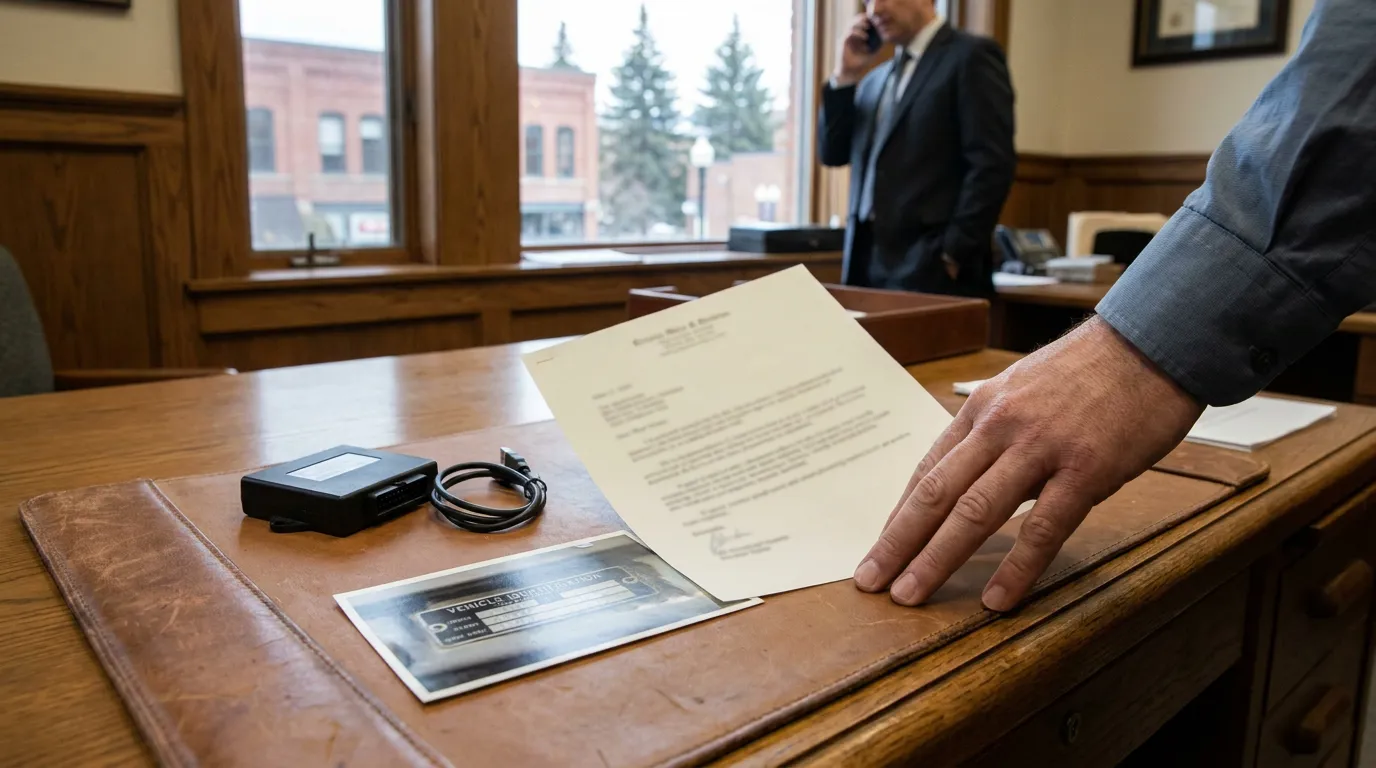
Understanding the Spoliation Letter Meaning in Montana Truck Cases
The spoliation letter meaning is simple: it is a written demand telling a party to preserve evidence related to a legal claim. "Spoliation" refers to destroying, altering, or failing to keep evidence. The letter puts the trucking company, its driver, and its insurer on notice that a claim is likely and that relevant records must not be lost.
Timing matters because the duty to preserve evidence can begin before anyone files a lawsuit. Courts generally find that a duty to preserve arises when a party knows or reasonably should know that evidence may be relevant to anticipated litigation. A spoliation letter does not create that duty on its own, but it can help remove doubt about when that knowledge began.
How Montana Courts Have Treated Spoliation
Montana courts have addressed spoliation through case law rather than a single dedicated statute. In Oliver v. Stimson Lumber Co., 1999 MT 328, the Montana Supreme Court recognized independent claims for intentional and negligent spoliation against third parties who are not part of the underlying lawsuit. Later, in Spotted Horse v. BNSF Railway Co., 2015 MT 148, the Court declined to recognize a separate tort claim when a party to the lawsuit destroys evidence. In that situation, the remedy is generally court-imposed sanctions in the existing case.
Courts commonly look at whether a duty to preserve existed, whether it was breached, and whether the other side was prejudiced. The severity of any sanction may also depend on whether the loss was intentional or negligent. A well-drafted letter can help establish the duty and define what must be kept.
Criminal Consequences for Tampering
Destroying evidence may also carry criminal exposure under Montana law. Under Mont. Code Ann. § 45-7-207(1)(a), a person commits tampering with physical evidence if, believing an official proceeding or investigation is pending or about to begin, they alter, destroy, conceal, or remove any record, document, or thing to impair its truth or availability. Section 45-7-207(1)(b) also covers making, presenting, or using a record the person knows is false, which could reach falsified driver logs or maintenance records.
The penalties are serious. Under Mont. Code Ann. § 45-7-207(2), a conviction can carry up to 10 years in state prison, a fine of up to $50,000, or both. Criminal charges are decided by prosecutors, not injured victims, and the statute requires proof of belief and intent. Still, a letter stating that litigation is anticipated can help show the carrier knew a proceeding was likely.
Key Elements of Effective Spoliation Letter Drafting
Good spoliation letter drafting is specific, not generic. A vague request to "keep everything" may invite arguments later about what was covered. The letter should name the evidence, the time period, and the people responsible for keeping it.
Identifying Information and Notice of Claim
The letter should start by identifying the crash and the recipients. It typically includes the date, time, and location of the collision, the truck and trailer numbers, the driver’s name, and the motor carrier’s name and USDOT number if known. It should go to the carrier and often to the driver, trailer owner, shipper, or broker, since more than one party may share liability.
Categories of Evidence to Demand
The core of the letter is a detailed list of evidence the carrier must preserve. Common categories include:
- ELD data and hours-of-service records for the trip and preceding days
- Engine control module and event data recorder downloads
- Forward-facing and driver-facing dashcam video
- GPS, telematics, and dispatch communications
- Driver qualification file, drug and alcohol testing results, and training records
- Inspection, repair, and maintenance records for the tractor and trailer
- Cell phone records for the driver around the time of the crash
- Bills of lading, load records, and weigh station receipts
- The truck and trailer themselves, in their post-crash condition
The letter can also request accident reports and related communications. Under Mont. Code Ann. § 61-7-109(1), the driver of a vehicle in a Montana crash causing injury, death, or property damage of $1,000 or more must generally report it in writing to the department within 10 days, unless a law enforcement officer investigated and reported it. A spoliation letter can ask the carrier to keep copies of these reports and any related internal messages.
💡 Pro Tip: Ask the carrier not to repair, sell, or scrap the truck until your side has had a chance to inspect it. Brakes and tires can reveal maintenance failures that paperwork may not show.
Instructions About Electronic Data
Electronic records need clear instructions because many systems overwrite automatically. The letter should ask the carrier to suspend routine deletion policies, preserve data in its native format, and keep metadata intact. It may also ask the company to notify third-party vendors, such as telematics providers, that store data on its behalf.
How Montana Deadlines Shape Evidence Preservation
Montana’s civil filing deadlines are generally longer than the lifespan of much trucking evidence. For example, federal rules require carriers to keep hours-of-service records for only six months, and some dashcam systems overwrite footage much sooner. That gap is why evidence preservation has to happen early.
| Claim Type | General Deadline | Montana Statute |
|---|---|---|
| Personal injury (not based on a written instrument) | 3 years | Mont. Code Ann. § 27-2-204(1) |
| Wrongful death | 3 years (10 years if death resulted from homicide) | Mont. Code Ann. § 27-2-204(2) |
| Libel, slander, assault, battery, false imprisonment | 2 years | Mont. Code Ann. § 27-2-204(3) |
These deadlines come from Montana’s limitations of actions statutes in Title 27, Chapter 2. Exceptions and tolling rules may apply in limited situations, such as when the injured person is a minor, but they are applied narrowly. Claims against government entities may require filing an administrative claim first.
Common Challenges Victims Face With Trucking Evidence
Carriers and insurers often move faster than injured victims. Some trucking companies and insurers send rapid-response teams to crash scenes within hours. While victims are in the hospital, the company may already be gathering the same evidence that could prove fault.
Another challenge is figuring out who actually holds the evidence. A driver may lease the tractor, a separate company may own the trailer, and a broker may have arranged the load. Sending letters to only one party could leave important records unprotected. For more on related topics, you can explore our evidence preservation resources.
💡 Pro Tip: Keep your own records too. Photos of the scene, your vehicle, and your injuries, along with witness names, can support your claim even if some carrier evidence is lost.
Why Working With a Lawyer Early Can Make a Difference
An attorney can send a preservation demand quickly and tailor it to the facts of your crash. A Missoula truck accident lawyer can work to identify potentially liable parties, request the right categories of data, and follow up if the carrier does not respond. If evidence is later lost, a lawyer can evaluate whether to seek sanctions or other remedies.
No letter can guarantee that every piece of evidence will survive. However, a timely and specific demand may strengthen your position and create a record if the carrier fails to comply.
Frequently Asked Questions
1. What is the spoliation letter meaning in simple terms?
A spoliation letter is a written notice telling a party to preserve evidence related to a likely legal claim. In truck cases, it typically goes to the motor carrier and demands that it keep records such as ELD data, dashcam video, and maintenance files.
2. How soon should a spoliation letter be sent after a truck crash?
Generally, as soon as possible. Some electronic data may be overwritten within days or weeks. Early notice can help stop routine deletion and make it harder for the carrier to dispute when its duty to preserve began.
3. What happens if the trucking company destroys evidence anyway?
It depends on the circumstances. Montana courts may impose sanctions against a party to the lawsuit that destroys evidence. Third parties outside the lawsuit may face separate spoliation claims. Intentional destruction could also lead to criminal charges under Mont. Code Ann. § 45-7-207.
4. Does a spoliation letter extend my deadline to file a lawsuit?
No. A spoliation letter does not pause or extend the filing deadlines in Mont. Code Ann. § 27-2-204. You still have to file within the applicable limitations period unless a separate legal exception applies.
5. Can I send a spoliation letter myself?
You can, but missing evidence categories or recipients could leave gaps. An attorney may be better positioned to draft a complete demand and enforce it.
Protecting Your Claim Starts With Protecting the Evidence
A strong spoliation letter names the parties, describes the crash, lists specific evidence, and puts the carrier on notice that litigation is expected. Montana law generally gives victims time to file, but truck evidence often has a much shorter life. Acting early can help preserve the proof needed to show negligence, causation, and damages.
If a semi-truck crash has changed your life, you do not have to face the trucking company alone. Tipp Coburn Lockwood P.C. can help you take prompt steps to protect critical evidence. Call 406-506-0575 or schedule your consultation today.
Disclaimer: This content is for informational purposes only and is not legal advice. Every case is unique, and results may vary. Consult an attorney about your specific circumstances.