Why the Minutes Before Your Breath Test Matter More Than You Think
Key Takeaways: Montana’s deprivation period is a continuous observation window of at least 20 minutes before a breath test, meant to confirm nothing entered or re-entered the driver’s mouth to contaminate the sample. Mouth alcohol from belching, reflux, dental work, gum, tobacco, or mints is more concentrated than deep lung air and can push a reading above true blood alcohol concentration. The requirement comes from the Department of Justice Forensic Science Division’s Intoxilyzer 9000 SOP Manual rather than the implied consent statute itself, so challenges may target statutory authority, administrative compliance, or both. A defense review typically compares stop, arrest, transport, and instrument timestamps against dash and body camera footage, operator checklists, certification logs, and detention records. A shortened or poorly documented observation period doesn’t automatically end a prosecution, since a court may suppress the result, admit it with reduced weight, or find the deviation immaterial where the State shows substantial compliance. Because video retention is limited and the administrative license track runs on its own short deadlines, acting quickly to document the encounter and preserve evidence may help preserve your options.
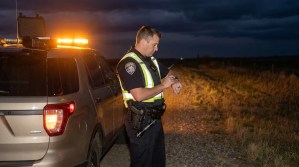
If you blew into a breath instrument after a traffic stop in Missoula, the officer was generally expected to watch you continuously for at least 20 minutes first. That window, often called the deprivation or observation period, exists to ensure nothing entered or re-entered your mouth that could contaminate the sample. Belching, vomiting, chewing tobacco, a breath mint, or residual alcohol in dental work can send a reading higher than your actual blood alcohol concentration. When that period is skipped, shortened, or poorly documented, the reliability of the result may become a legitimate issue.
If a breath result is driving your DUI charge, the procedure behind that number deserves a hard look. The defense team at Tipp Coburn Lockwood P.C. reviews breath testing records, maintenance logs, and video for Missoula-area clients facing DUI allegations. Call 406-506-0575 or contact us now to discuss what happened during your stop.
The Statutory Foundation for Breath Testing in Montana
Montana’s breath testing system begins with the implied consent statute, not the machine itself. Under Mont. Code Ann. § 61-8-1016, a person operating or in physical control of a vehicle on public roads is considered to have consented to a test of blood, breath, or oral fluid, administered at an officer’s direction under the circumstances the statute describes. This sits within Title 61, Chapter 8, Part 10 of the Montana Code Annotated, governing DUI enforcement statewide.
The statute authorizes testing but does not spell out every technical step. Montana law ties the admissibility and evidentiary weight of a chemical test to procedures adopted by the Department of Justice Forensic Science Division under rulemaking authority. Those procedures are described in the Department of Justice Forensic Science Division’s Intoxilyzer 9000 SOP Manual, where the pre-test observation requirement is formally set out. This split matters because a defense challenge may target statutory authority, administrative compliance, or both.
Statute Versus Administrative Rule
The distinction is a practical one for defense purposes. The statutory provisions on implied consent to chemical testing establish when an officer may request a sample and what happens if a driver refuses. The administrative rules, by contrast, govern instrument certification, operator training, field and laboratory certification checks, and the observation period itself.
Courts may consider both sources when evaluating a foundational objection. A prosecutor must generally establish the test was performed according to approved methods before a result is admitted, and Montana courts have applied a substantial compliance standard to that showing. Where the record is thin, the defense may argue the result should be excluded or carry little weight.
Understanding Intoxilyzer 9000 Accuracy Montana Drivers Should Question
The Intoxilyzer 9000 is an infrared breath instrument, and its output depends heavily on the conditions surrounding the sample. Questions about Intoxilyzer 9000 accuracy Montana courts have addressed usually fall into a few categories: instrument maintenance and certification, operator training and conduct, and contamination of the breath sample itself. The deprivation period addresses that third category directly.
Breath instruments measure deep lung air, not alcohol sitting in the mouth. Alcohol lingering in oral tissue, dentures, or a recent belch is far more concentrated than alveolar air, so even a small amount can inflate a reading. That is the core reason mouth alcohol contamination Montana defense attorneys raise is taken seriously. The observation window is the safeguard built into the protocol to reduce that risk, though it’s not a guarantee against every source of error.
- Continuous observation generally means the operator is actually monitoring the subject, though courts haven’t required uninterrupted face-to-face staring.
- Burping, belching, or regurgitation during the window typically requires restarting the timer.
- Foreign substances such as gum, tobacco, or mints should be removed before the period begins.
- Documentation gaps in the log or checklist can undercut the State’s foundation.
- Video and audio from the patrol vehicle or detention facility may contradict the officer’s written account.
💡 Pro Tip: If you remember burping, coughing, or feeling nauseated before you blew, write it down as soon as possible. Contemporaneous notes are often more persuasive than a recollection offered months later.
How the Deprivation Period Is Supposed to Work
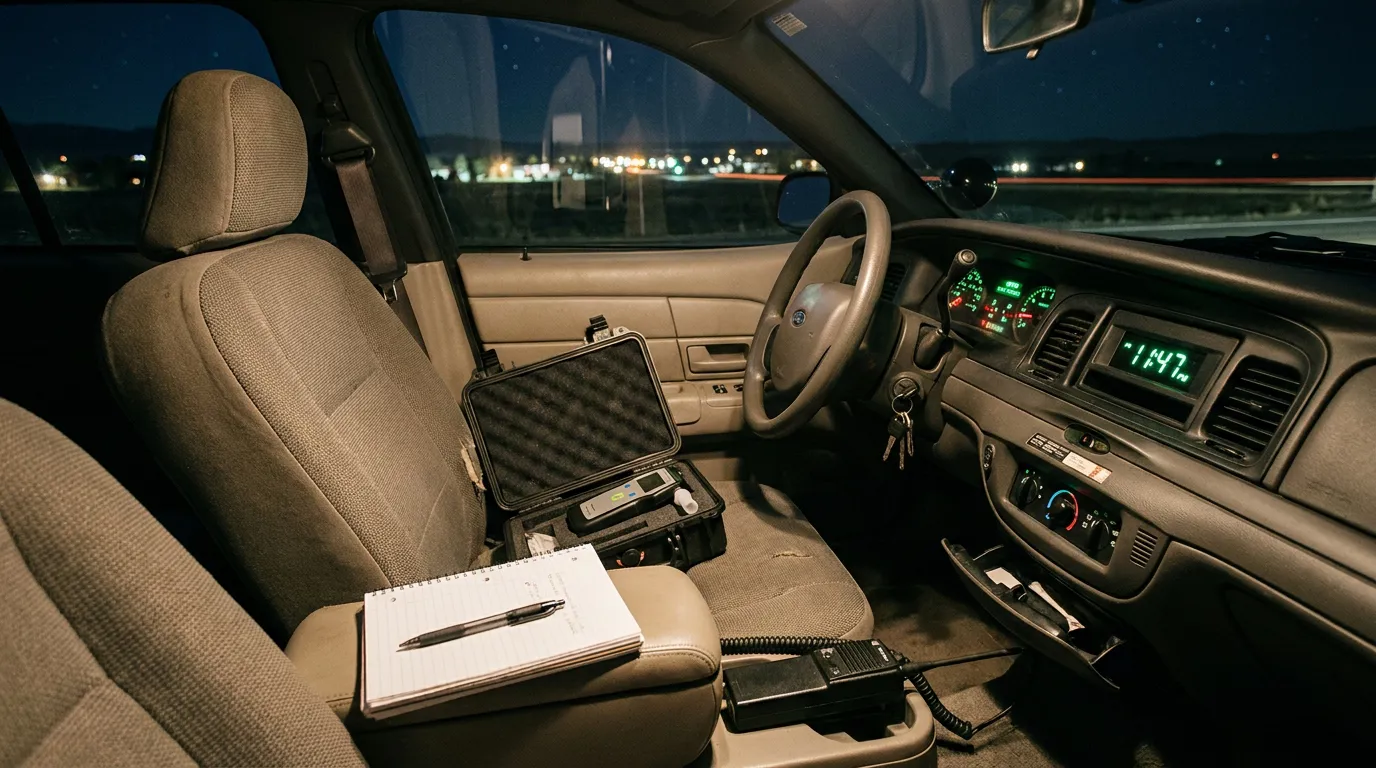
The concept is straightforward even though execution often is not. An officer starts the clock, keeps the subject under observation, and confirms nothing has entered the mouth. Only after that uninterrupted stretch does the operator proceed with the breath sequence.
In practice, real stops are messy. A driver may be transported between locations, booked, searched, or left waiting while the officer handles radio traffic. Each interruption raises a fair question about whether the Intoxilyzer 9000 observation requirement was satisfied, though not every interruption will defeat substantial compliance. A scholarly treatment of Montana DUI procedure published in the Montana Law Review discusses how strictly the state’s implied consent framework depends on adherence to established testing procedure.
What a Defense Review Typically Examines
A careful review starts with the timeline and works outward. Counsel generally compares the time of the stop, arrest, transport, observation start, and the timestamps printed by the instrument. Discrepancies among these entries can be significant, though they are fact-dependent and don’t automatically invalidate a result.
| Record Source | What It May Reveal |
|---|---|
| Dash and body camera footage | Whether observation was continuous and uninterrupted |
| Operator checklist | Whether required steps were marked and when |
| Instrument printout | Sample times, blank checks, and error messages |
| Certification and maintenance logs | Whether the instrument was approved and in service |
| Detention facility records | Booking activity during the claimed observation window |
No single document usually decides the issue. Courts may weigh the totality of the record, and outcomes depend on the facts of each stop. That is why preserving video early matters; some agencies retain footage for limited periods.
Consequences of a Breath Test Procedure Violation in Missoula
A procedural defect does not automatically end a DUI prosecution. Depending on the nature of the irregularity, a court might suppress the result entirely, admit it while allowing the defense to attack its weight, or find the State substantially complied and the deviation was immaterial. Montana courts have generally required a proper foundation before breath results come in, but the analysis is fact-sensitive.
Even when a result survives a challenge, the underlying case may still be contested. Prosecutors often rely on officer observations, field sobriety testing, and driving patterns alongside the number. A breath test procedure violation Missoula defense counsel identifies may shift the balance of that evidence considerably, particularly where the reading sits near the legal threshold.
Refusals and License Consequences Run on a Separate Track
The administrative license process is distinct from the criminal case. Under Montana’s implied consent scheme, refusing a requested test generally results in seizure of the license and a suspension imposed by the Department of Justice, commonly six months for a first refusal and up to one year where there is a prior refusal, proceeding separately from the criminal DUI charge on its own timeline. Related traffic offense provisions in Title 61 sit within the same chapter that governs DUI enforcement.
Deadlines in the administrative track are short, and review is generally obtained by petitioning a district court within the statutory window. The issues at that hearing are typically limited by statute, and missing a filing window may limit options regardless of how strong the criminal defense may be. Anyone facing both tracks should move quickly rather than assume one outcome will resolve the other.
💡 Pro Tip: Ask whether the breath instrument produced any error, interference, or invalid sample messages. Those entries sometimes point directly to mouth alcohol and can support an argument that the deprivation period failed.
Practical Steps After a Missoula Breath Test
What you do in the first weeks often shapes what is available later. Evidence disappears, memories fade, and administrative deadlines pass quietly. A few concrete actions tend to help preserve your options.
Start by writing a detailed account of the entire encounter. Include where you were held, who was present, whether you were left alone, and anything you put in your mouth. Then gather your citation, any paperwork the officer provided, and the notice regarding your driving privileges.
Request preservation of video promptly. A written preservation request can matter when agency retention policies are short. Working with a Missoula DUI lawyer early may improve the odds that footage and logs still exist when needed.
Avoid discussing the case publicly. Social media posts and casual conversations can surface later in unhelpful ways. Additional guidance on DUI and criminal defense topics is available through our Montana criminal defense insights.
Frequently Asked Questions
1. Is the deprivation period 15 minutes or 20 minutes in Montana?
Montana’s current protocol for the Intoxilyzer 9000 establishes a continuous observation window of at least 20 minutes, as specified in the Department of Justice Forensic Science Division’s Intoxilyzer 9000 SOP Manual. The controlling language appears in that SOP Manual rather than the statute itself. Because procedures can be amended, the version in effect on the date of your test generally applies.
2. Does a shortened observation period mean my case gets dismissed?
Not automatically. A court may suppress the result, allow it with reduced weight, or find that the State substantially complied and the deviation was harmless depending on the record. Outcomes vary with the facts, the quality of documentation, and the other evidence the State intends to present.
3. What if I burped or had acid reflux before the test?
That is generally the scenario the waiting period is designed to address. Regurgitated stomach contents can carry alcohol into the mouth and inflate a reading above true blood alcohol concentration. If it occurred and the operator was aware of it, the observation period generally should have been restarted.
4. Can I challenge the machine itself and not just the procedure?
Yes, in appropriate cases. Field and laboratory certification status, control checks, maintenance history, and operator certification are all potentially subject to scrutiny under Montana DUI breath testing rules. These challenges are technical and typically require reviewing records the State may be required to produce in discovery.
5. Should I have refused the breath test?
There is no universal answer, and the tradeoffs are real. Refusal generally carries its own administrative license consequences under the implied consent framework, and officers may sometimes seek a warrant for a blood sample, while submitting produces a number the State may use. The better course depends on your driving history, license type, and the particular circumstances of the stop.
The Number on the Printout Is Not the Whole Story
A breath test result carries weight in court, but it is generally only as reliable as the procedure that produced it. The deprivation period is a modest safeguard with outsized importance, because it is the step intended to separate deep lung air from contaminated mouth alcohol. When that window is cut short, interrupted, or inadequately documented, the foundation supporting the result may weaken. Montana’s implied consent statutes authorize testing, while the Department of Justice Forensic Science Division’s SOP Manual describes how testing is to be done, and both layers may be open to examination.
Every DUI case turns on its own facts, and no article can substitute for review of your actual records. If your case involves a breath sample, the timeline, video, and instrument logs deserve a careful look by counsel familiar with Montana breath testing procedure. Reach out to Tipp Coburn Lockwood P.C. by calling 406-506-0575, or visit the firm’s DUI defense resources to learn more about how these cases are evaluated.
Disclaimer: This content is for informational purposes only and is not legal advice. Every case is unique, and results may vary. Consult an attorney about your specific circumstances.