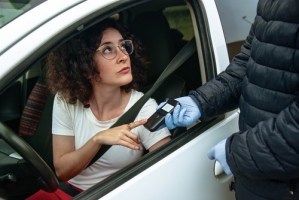
It’s normal to be a little nervous when you’re pulled over for a traffic stop – but your anxiety can (understandably) go into overdrive the moment that you realize the officer suspects that you’re driving under the influence (DUI).
It’s important to stay calm and respond to the officer’s questions and requests thoughtfully so that you don’t inadvertently put yourself in a worse position. These are some top mistakes that you could make under these circumstances.
Admitting that you’ve been drinking
Officers frequently start their conversation by asking, “Have you been drinking?” They generally hope to startle drivers into admitting that they’ve had a drink or two. While you might feel safe admitting that you had a single beer or a glass of wine with dinner before you headed home, that information is ammunition for a DUI charge. Under the law, it’s illegal to drive while impaired by alcohol – even if your blood alcohol content (BAC) isn’t over .08%.
Since you can’t lie to a police officer during an investigation, it’s better to deflect the question with one of your own, like, “Officer, can you tell me why you pulled me over?” If that fails to redirect the conversation, assert your Fifth Amendment right to remain silent.
Agreeing to field sobriety tests
Field sobriety tests, like the walk-and-turn test and the horizontal gaze nystagmus test, are notoriously subjective and unreliable – especially when they’re performed under less-than-optimal conditions, like at the side of a busy road on a nervous driver. You’re not legally required to submit to field sobriety tests, and you shouldn’t. They’re really just another way for an officer to obtain justification for chemical testing. If you fail the test (which is likely), the officer can use that as more evidence that you were somehow impaired.
Allowing an officer to search your vehicle
If an officer asks if you mind them looking around your vehicle, do not give your permission. While an officer doesn’t always have to have permission to conduct a search, the odds are high that they wouldn’t be asking if they had enough probable cause to do it without your consent.
With a bit of luck, you may end up leaving the traffic stop with nothing more than a traffic ticket. If you end up charged with drunk driving, however, it’s best to find out everything you can about your potential defenses by seeking legal guidance immediately.