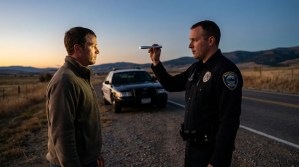
When a Montana police officer believes a driver may be under the influence of drugs or alcohol, the officer may administer preliminary screening tests. These tests include field sobriety tests and preliminary breath tests. They are designed to help an officer determine whether a driver is operating a motor vehicle under the influence of drugs or alcohol and therefore should be arrested.
Field sobriety tests typically include the walk-and-turn test, the one-leg stand test, and the horizontal gaze nystagmus test. The National Highway Traffic and Safety Administration provides training to police officers to teach them how to administer these tests properly.
The walk-and-turn test requires a driver to take several steps, heel-to-toe, turn around, and return in the same manner. The one-leg stand requires a driver to hold one foot off the ground while counting. In both of these tests, the officer is looking for indicators that the driver is having difficulty performing a mental exercise at the same time as a physical one. The horizontal nystagmus test requires a driver to track a moving object visually. In this test, the officer is watching the smoothness with which the driver can track the object. The NHTSA reports that when the results of these three tests are combined, they can accurately detect impairment more than 90% of the time.
If a driver does not pass the field sobriety tests, the officer will often ask the driver to take a preliminary breath test, known in Montana law as a preliminary alcohol screening test. Traditionally, the results of this test could only be used to estimate the amount of alcohol in the driver’s system for the purpose of arrest. Now, however, these test results may be used at DUI trials as substantive evidence of the amount of alcohol in a driver’s bloodstream.
At Tipp & Buley, we have over 55 years of collective experience in dealing aggressively with DUI charges brought against Montana drivers. We have been trained on breath testing devices and are active in teaching others how to defend DUI cases. If you’ve been charged with DUI in Montana, put our experience to work for you: Call us today at 406-812-7634 to set up a one-on-one consultation.




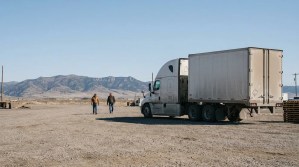
What Is the MCS-90 Endorsement and How Does It Help Missoula Truck Victims?
Federal Insurance Protection Behind Big Rigs on Montana Highways Key Takeaways: The MCS-90 endorsement is a federally mandated attachment to interstate motor carrier liability policies that requires insurers to pay judgments to injured parties, even when policy exclusions might bar coverage. It functions like a suretyship, the insurer pays first,