What Should You Do Immediately After a Car Accident in Missoula?
The moments following a car accident in Missoula can be overwhelming and disorienting. Your heart races, adrenaline surges, and you may feel confused about what steps to take next. Whether you’re dealing with a minor fender-bender on Reserve Street or a more serious collision on Interstate 90, knowing exactly what to do in those critical first moments can protect your legal rights and strengthen any future insurance claim. This guide walks you through the essential steps you should take immediately after a car accident in Missoula, helping you navigate this stressful situation while complying with Montana law.
If you’ve been injured in a car accident and need legal guidance, Tipp Coburn Lockwood P.C. is here to help. Call us at 406-506-0575 or contact us now to discuss your case with an experienced attorney who understands Montana accident law.
Ensure Your Safety and Call 911
The first priority after any accident is to check yourself and your passengers for injuries. If anyone appears hurt, even if injuries seem minor, call 911 immediately. Montana law requires you to remain at the accident scene, but if your vehicle is creating a hazard, carefully move it to the shoulder or a nearby parking lot. Turn on your hazard lights to alert other drivers, especially during Missoula’s winter months when visibility can be poor.
When speaking with the 911 dispatcher, provide clear information about your location. Reference nearby landmarks like the University of Montana campus, Southgate Mall, or specific mile markers if you’re on Highway 93. Request both police and medical assistance if needed. The responding officers will create an official accident report, which becomes crucial documentation for insurance claims and potential legal proceedings.
Even if the accident seems minor, having an official police report can protect you later. Some injuries, particularly soft tissue damage or concussions, may not manifest symptoms until hours or days after the crash. Having documentation from the scene creates a clear record of what occurred.
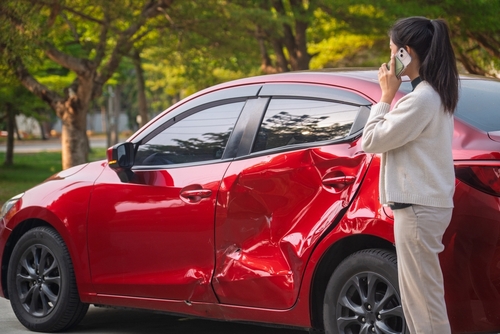
Document the Accident Scene
Once you’ve ensured everyone’s safety, begin documenting everything about the accident. Use your smartphone to take photographs from multiple angles, capturing vehicle damage, skid marks, road conditions, traffic signs, and weather conditions. In Missoula’s variable climate, documenting icy roads or poor visibility can be particularly important for establishing fault.
Take wide-angle shots that show the entire accident scene, then move in for detailed photos of specific damage. Photograph license plates, vehicle makes and models, and any visible injuries you or your passengers have sustained. If there are witnesses, politely ask for their contact information and a brief statement about what they observed.
💡 Pro Tip: Create a voice memo on your phone describing the accident while details are fresh in your memory. Include information about how fast you were traveling, weather conditions, and exactly what happened leading up to the collision. This contemporaneous record can be invaluable weeks or months later when memories fade.
Exchange Information with Other Drivers
Montana law (MCA 61-7-105) requires drivers involved in an accident to provide their name, address, and vehicle registration number, and to show their driver’s license upon request if available. Collect the following from each driver:
• Full name
• Address
• Vehicle registration number
• Show driver’s license upon request (if available)
Collecting additional details such as insurance company and policy number, vehicle identification number (VIN), and vehicle description (make, model, year, color) is advisable for insurance purposes, but these items are not specifically required by the statute.
When interacting with other drivers, remain calm and stick to factual information. Avoid discussing fault or admitting responsibility, even if you believe you may have contributed to the accident. Statements like "I’m sorry" or "I didn’t see you" can be used against you later, even if you were simply being polite or expressing concern for others involved.
Be aware that Montana requires every driver to carry liability insurance on their vehicle. The state minimum liability limits are $25,000 per person for bodily injury, $50,000 per accident for bodily injury, and $20,000 for property damage. However, many accidents result in damages exceeding these minimums, which is why documenting everything thoroughly becomes crucial.
Understanding Montana’s Insurance Requirements
After gathering information at the scene, you’ll need to navigate the insurance claim process. Montana follows a fault-based insurance system, meaning the driver who caused the accident is responsible for damages. Most auto insurance policies pay the actual cash value (ACV) of a vehicle totaled in an accident, which equals the market value of your vehicle immediately before the accident.
Insurance companies determine ACV through market surveys of similar vehicles in your area. If you disagree with your insurer’s valuation, you can dispute it by conducting your own research on comparable vehicles in the Missoula market. Present this information to your insurance adjuster with documentation supporting your position.
Montana law provides important protections for drivers through uninsured motorist coverage. Unless you specifically signed a form declining this coverage, your insurance agent is required by law to include it in your policy. This becomes crucial if the at-fault driver lacks insurance or carries insufficient coverage to compensate for your damages.
💡 Pro Tip: If you’re dissatisfied with how your insurance company handles your claim or determines fault, you can file a complaint with the Montana Commissioner of Securities and Insurance at 800-332-6148. This state agency oversees insurance practices and can intervene when companies act in bad faith.
When to Contact a Car Accident Lawyer in Montana
Certain circumstances make it advisable to seek legal representation immediately after an accident. If you’ve suffered significant injuries, face mounting medical bills, or the insurance company disputes fault, an experienced attorney can protect your interests. Montana’s statute of limitations gives you three years to file a personal injury lawsuit, but starting the legal process early often leads to better outcomes.
Understanding Montana’s comparative negligence law is crucial for accident victims. The state follows a modified comparative negligence standard under MCA 27-1-702, meaning you can recover damages only if you are 50% or less at fault for the accident (not more than 50% at fault). However, your recovery will be reduced in proportion to your degree of fault. An attorney can help establish the other driver’s liability while minimizing any fault attributed to you.
Complex accidents involving commercial vehicles, government entities, or multiple parties often require legal experience. If your accident involved a City of Missoula vehicle, Montana Department of Transportation equipment, or commercial trucks on I-90, specific rules and shorter deadlines may apply. Acting quickly to preserve evidence and meet filing requirements becomes even more critical in these cases.
Know Your Rights Under Montana Law
Montana’s liability statute establishes that each person is responsible not only for willful acts but also for injuries caused by lack of ordinary care. This foundational principle, codified in Montana law, enables car accident victims to seek compensation when another driver’s negligence causes harm. Understanding this legal framework helps you make informed decisions about your case.
Your rights extend beyond just vehicle damage compensation. Montana law allows recovery for medical expenses, lost wages, pain and suffering, and other damages resulting from the accident. If the crash resulted in permanent injuries or disabilities, you may be entitled to future medical costs and lost earning capacity. Documenting all aspects of how the accident has impacted your life strengthens your position during negotiations or litigation.
Be cautious when dealing with insurance adjusters who may pressure you to accept quick settlements. Insurance companies often offer low initial settlements hoping accident victims will accept less than they deserve. Before agreeing to any settlement, understand the full extent of your injuries and damages. Once you sign a release, you typically cannot seek additional compensation, even if your injuries prove more serious than initially thought.
💡 Pro Tip: Keep a daily journal documenting your injuries, pain levels, medical appointments, and how the accident affects your daily activities. This contemporaneous record provides powerful evidence of your damages and can significantly impact your case’s value. Include details about missed work, canceled plans, and activities you can no longer enjoy.
Frequently Asked Questions
1. Should I admit fault at the accident scene if I think I caused the crash?
No, you should never admit fault at the scene, even if you believe you may have contributed to the accident. Stick to factual statements when speaking with police and other parties. Montana’s comparative negligence law means fault determinations can be complex, and what seems obvious at the scene may not reflect the legal reality. Let insurance companies and legal professionals determine fault based on evidence and applicable law.
2. What if the other driver doesn’t have insurance?
If the at-fault driver lacks insurance, your uninsured motorist coverage should protect you. Montana law requires insurers to provide this coverage unless you specifically declined it in writing. This coverage helps pay for your injuries and damages when the responsible party cannot. If you discover you don’t have uninsured motorist coverage, you may need to explore car accident legal options to recover compensation directly from the at-fault driver.
3. How long do I have to report the accident to my insurance company?
While Montana law gives you three years to file a lawsuit, most insurance policies require prompt notification of accidents, typically within days or weeks. Review your policy for specific deadlines, but it’s generally best to report the accident as soon as possible. Delayed reporting can give insurers grounds to deny coverage or complicate your claim.
4. Can I still recover damages if I was partially at fault?
Yes — Montana’s modified comparative negligence law allows recovery if you’re 50% or less at fault. However, your compensation will be reduced by your percentage of fault. For example, if you’re found 30% at fault for a $100,000 claim, you could recover $70,000. This makes establishing the other party’s greater fault crucial for maximizing your recovery.
5. What should I do if the insurance company’s settlement offer seems too low?
If the insurance company’s offer doesn’t adequately compensate your damages, you have options. First, you can negotiate with supporting documentation like medical records, repair estimates, and evidence of lost wages. If negotiations fail, consider legal representation to evaluate your case and potentially pursue litigation. Remember, accepting a settlement ends your ability to seek additional compensation.
Moving Forward After Your Missoula Car Accident
Taking the right steps immediately after a car accident in Missoula protects both your physical wellbeing and your legal rights. From ensuring everyone’s safety and calling 911 to carefully documenting the scene and understanding Montana’s insurance laws, each action you take in those first crucial hours can significantly impact your ability to recover fair compensation. Remember that Montana’s three-year statute of limitations provides time to make informed decisions, but acting promptly to preserve evidence and seek appropriate medical care strengthens your position. Whether dealing with insurance adjusters or considering legal action, knowing your rights under Montana law empowers you to make the best choices for your recovery.
If you’re facing the aftermath of a car accident in Missoula and need experienced legal guidance, Tipp Coburn Lockwood P.C. is ready to help you understand your options. Our attorneys have extensive experience with Montana accident law and can evaluate your case to ensure you receive the compensation you deserve. Call 406-506-0575 today or contact us online to schedule a consultation and take the first step toward protecting your rights.