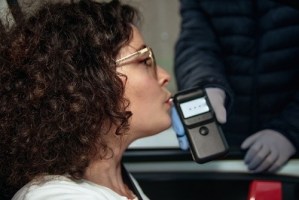
Facing a Breath Test Request? Understanding Your Rights When a DUI Lawyer in Montana Can Help
When you see flashing lights and an officer asks "Will you take a breath test?" – your answer can impact your driving privileges, freedom, and future for years. In Montana, refusing a breath test triggers immediate consequences under the state’s implied consent law, including automatic license suspension and potential criminal charges. Understanding what happens next and knowing your rights becomes crucial when facing this life-changing situation.
💡 Pro Tip: If an officer asks you to take a breath test, remain calm and polite. Montana law requires officers to inform you that refusal will result in license suspension for up to one year.
If you’re feeling overwhelmed by the complexities of refusing a breath test in Montana, remember that understanding your rights is crucial. Reach out to Tipp Coburn Lockwood P.C. for guidance on navigating these tricky waters. Don’t hesitate to contact us or call 406-506-0575 today to safeguard your future and fight for your rights.
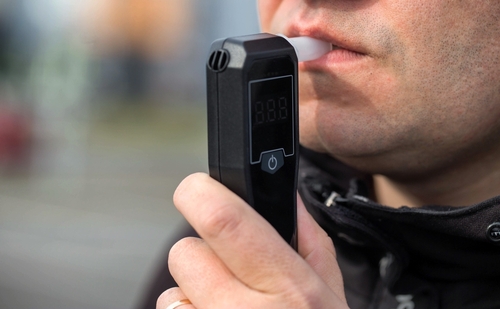
Montana’s Implied Consent Law: What Every Driver Needs to Know
When you operate a vehicle on Montana’s public roads, you’ve already given consent to alcohol and drug testing – this is "implied consent." According to Montana Code Annotated 61-8-1016, anyone who operates a vehicle on public ways is considered to have consented to tests of their blood or breath for alcohol and blood or oral fluid for drugs. However, you still maintain the right to refuse these tests, though doing so comes with significant penalties. A qualified DUI lawyer in Montana can help you understand how this law applies to your situation and what defenses might be available.
When you refuse a breath test, the officer must immediately seize your driver’s license and forward it to the Department of Motor Vehicles with a certified report. You’ll receive a temporary driving permit valid for only 5 days. During this brief window, you can request an administrative hearing to challenge the suspension. Understanding these time-sensitive requirements and acting quickly can make the difference between keeping your driving privileges and facing months without a license.
💡 Pro Tip: Montana law requires that both the officer and the preliminary breath test instrument be certified by the department. If either lacks proper certification, any PBT results may be inadmissible.
The Step-by-Step Process After Refusing a Breath Test
The process moves quickly after you refuse a breath test, and missing critical deadlines can result in losing important rights. Here’s what to expect:
- Immediate License Seizure: The officer takes your physical license and issues a temporary permit valid for just 5 days
- Search Warrant Application: The officer may apply for a search warrant pursuant to Montana statute 46-5-221. While MCA 61-8-1016(4)(b) specifies circumstances (for example, prior refusals, prior DUI-related convictions, or crashes resulting in serious bodily injury or death) when warrants are authorized under the implied consent statute, officers also retain general authority under MCA 46-5-221 to seek search warrants based on probable cause in first-time DUI refusal cases; the Montana Supreme Court’s decision in State v. Clinkenbeard (2025) confirmed that the implied consent statute does not preclude warrants obtained under general warrant authority.
- Administrative Hearing Request: You have only 30 days to request a hearing to challenge your license suspension – missing this deadline means automatic suspension
- Suspension Period: License suspension typically ranges from 6 months for a first refusal to 1 year for subsequent refusals within 5 years
- Criminal Court Proceedings: Your refusal becomes evidence in your DUI case, with prosecutors arguing it shows "consciousness of guilt"
💡 Pro Tip: Mark your calendar immediately after arrest – the 5-day temporary permit and 30-day hearing request deadline are strict. Missing these dates eliminates options that a DUI lawyer in Montana could use to protect your driving privileges.
Fighting Back: How Tipp Coburn Lockwood P.C. Challenges Breath Test Refusal Cases
While refusing a breath test creates additional legal challenges, you still have options. Montana’s implied consent law includes specific requirements that officers must follow, and any deviation can provide grounds for challenging your case. The team at Tipp Coburn Lockwood P.C. understands Montana DUI law and knows how to identify weaknesses in the state’s case. From challenging the initial traffic stop to questioning whether officers properly advised you of your rights, experienced legal counsel can make a significant difference. Working with a DUI lawyer in Montana who understands both administrative and criminal aspects ensures every possible defense is explored and every deadline is met.
Successfully defending against breath test refusal charges requires acting quickly and understanding all available options. This includes challenging whether the officer had reasonable grounds to request the test, verifying proper procedures during arrest, and examining whether medical conditions justified your refusal. Recent changes to Montana’s DUI laws in 2021 and 2023 have created new considerations that may impact your case. Legal representation becomes crucial given that prosecutors can proceed with DUI charges even without breath test results.
💡 Pro Tip: Document everything you remember about your arrest immediately – details about the traffic stop, what the officer said, and any medical conditions can become crucial evidence. Share this information with your attorney during your first consultation.
Constitutional Protections and Search Warrant Requirements in Montana DUI Cases
Your constitutional rights don’t disappear during a DUI investigation. The U.S. Supreme Court’s 2016 decision established that while states can criminalize breath test refusal, they cannot make it a crime to refuse a blood test without a warrant. Montana law allows officers to apply for a search warrant to collect blood samples from drivers who refuse testing under the circumstances set out in MCA 61-8-1016(4)(b) — such as prior refusals, prior convictions, or serious-injury crashes — but officers also may obtain warrants based on general probable-cause authority under MCA 46-5-221 in first-time refusal cases. The Montana Supreme Court’s decision in State v. Clinkenbeard (2025) confirmed that the implied consent statute does not prevent officers from seeking search warrants under that general authority. The DUI testing and search warrant requirements have evolved significantly, giving drivers more protection against forced blood draws while still allowing administrative penalties for refusal.
When Officers Can and Cannot Force Testing
Montana law limits when refused tests may be administered. While MCA 61-8-1016(4)(b) identifies specific statutory conditions for warrants (such as prior refusals, prior convictions, or crashes involving serious injury or death), officers also retain authority under MCA 46-5-221 to seek search warrants based on probable cause in first-time refusal cases. However, this doesn’t prevent officers from seeking search warrants in those circumstances. The 2019 Supreme Court ruling added another layer – if a driver is unconscious and cannot take a breath test, officers almost never need a warrant to collect blood samples. Understanding these exceptions requires careful analysis by a DUI lawyer in Montana who stays current with evolving case law.
💡 Pro Tip: If officers mention obtaining a search warrant after your refusal, remain silent except to invoke your right to an attorney. Anything you say can be used against you in both administrative and criminal proceedings.
License Suspension Consequences and Reinstatement Options
The administrative license suspension for refusing a breath test operates separately from any criminal DUI charges, meaning you face two distinct legal battles. In Montana, refusing a breath test typically results in a longer suspension – 6 months for a first refusal compared to 90 days for a first DUI conviction with a failed test. Understanding the Montana implied consent law MCA 61-8-1016 and its specific suspension periods helps you prepare for the impact on your daily life and explore possible hardship exemptions or restricted licenses.
Restricted Licenses and Hardship Exemptions
Montana may offer restricted driving privileges for work, medical appointments, or other essential needs, but qualifying requires meeting specific criteria. Availability depends on factors like your driving history, whether this is your first refusal, and case circumstances. Some drivers may qualify for ignition interlock devices as an alternative to complete suspension. Working with a DUI lawyer in Montana helps ensure you explore every available option to minimize disruption while your case proceeds.
💡 Pro Tip: Start documenting your transportation needs immediately – work schedules, medical appointments, and family obligations. This information becomes crucial when petitioning for restricted driving privileges.
Frequently Asked Questions
Understanding Your Rights and Options After Breath Test Refusal
Making sense of Montana’s DUI laws and understanding your options after refusing a breath test raises many questions. The following questions address the most common concerns drivers face after refusing breath tests in Missoula and throughout Montana.
💡 Pro Tip: Write down all your questions before meeting with an attorney. Having a comprehensive list ensures you get all the information you need during your consultation.
1. Can I still be convicted of DUI in Montana if I refused the breath test and there’s no chemical evidence?
Yes, prosecutors can pursue DUI charges without breath test results. Montana has both "per se" laws (based on BAC levels) and impairment laws. Without chemical tests, prosecutors rely on officer observations, field sobriety test results, driving patterns, and your refusal itself as evidence of impairment. Your refusal can be presented as "consciousness of guilt."
2. How long will my license be suspended for refusing a breath test in Montana?
Montana typically imposes a 6-month suspension for first-time breath test refusal and up to 1 year for subsequent refusals within 5 years. This administrative suspension is separate from criminal penalties. The suspension period often exceeds what you’d face for failing a breath test, which is 90 days for a first DUI conviction with a failed test.
3. What’s the difference between refusing a roadside breath test and refusing one at the station?
In Montana, refusing a preliminary breath test (PBT) during roadside investigation results in the same automatic administrative penalties as refusing a chemical test after arrest, including license suspension (6 months for first refusal, 1 year for subsequent refusals within 5 years). Montana’s implied consent law applies to both preliminary alcohol screening tests and post-arrest chemical tests. The key distinction is the circumstances of arrest and the statutory conditions that may affect whether officers can seek a warrant for blood or oral fluid samples.
4. Will my auto insurance rates increase if I refuse a breath test?
Insurance companies typically view breath test refusal similarly to DUI convictions when setting rates. You may face policy cancellation, significant premium increases, or difficulty finding coverage. Some insurers may require SR-22 insurance certification for several years. The financial impact often extends beyond fines and legal fees.
5. Should I request an administrative hearing after refusing a breath test?
Yes, always request an administrative hearing within the 30-day deadline. This hearing provides your only opportunity to challenge the license suspension and potentially uncover issues with your arrest. Even if unsuccessful, the hearing allows your attorney to question the arresting officer under oath and gather valuable information for your criminal case.
Work with a Trusted DUI Lawyer
Facing DUI charges and license suspension after refusing a breath test requires immediate action and knowledgeable legal guidance. The consequences can impact your employment, finances, and freedom for years. Montana’s DUI laws continue to evolve, with recent amendments in 2023 changing how these cases are handled. Having legal representation that understands both the technical aspects of DUI defense and the local court system in Missoula makes a significant difference in achieving the best possible outcome.
When facing the daunting prospect of a breath test refusal in Missoula, counting on the right legal support can make all the difference. Allow Tipp Coburn Lockwood P.C. to guide you through this challenging time and protect your rights. Reach out with confidence through our contact us page or by calling 406-506-0575 today.