When Winter Weather Creates Legal Responsibilities for Property Owners
Montana property owners face a critical question every winter: how quickly must they clear snow and ice from sidewalks to avoid liability? The answer affects both property owners who must maintain safe walkways and pedestrians who rely on clear paths during harsh winter months. Understanding your legal obligations for snow removal can mean the difference between fulfilling your civic duty and facing a costly lawsuit after someone slips and falls on your property.
💡 Pro Tip: Document your snow removal efforts with time-stamped photos or a maintenance log – this evidence could prove invaluable if someone claims you failed to maintain safe sidewalks.
If you’re navigating the tricky terrain of snow-related liabilities, look no further than Tipp Coburn Lockwood P.C. We’re here to help you make sense of the responsibilities that winter weather brings. Don’t let the complexities trip you up—give us a ring at 406-506-0575 or contact us today!
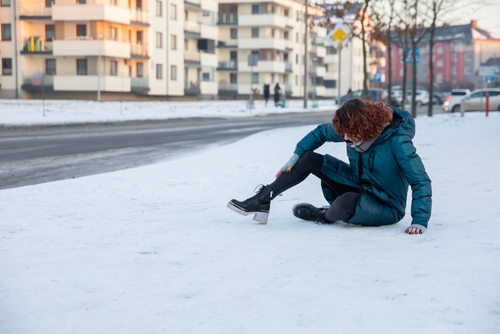
Understanding Your Legal Rights When a Premise Liability Lawyer in Montana Evaluates Snow Removal Cases
Montana law establishes clear frameworks for property maintenance responsibilities, including snow and ice removal from sidewalks. Under Montana Code 7-14-4105, municipalities have the authority to regulate sidewalk use and require property owners to keep walkways "free from snow or other obstruction." This state-level authorization means cities like Missoula can implement specific ordinances requiring adjacent property owners to maintain safe sidewalks. When evaluating potential liability, a premise liability lawyer in Montana will examine whether the property owner knew about the dangerous condition, had reasonable time to address it, and failed to take appropriate action.
The burden of proof in sidewalk slip-and-fall cases requires demonstrating three key elements: a dangerous condition existed, the responsible party knew or should have known about it, and they failed to remedy the situation despite having reasonable opportunity. Weather records become particularly important evidence, especially when they show that property owners had ample time between snowfall and the accident to clear their sidewalks. A skilled premise liability lawyer in Montana understands that maintenance records, repair logs, and previous complaints about sidewalk conditions can establish a pattern of negligence or prove that owners were repeatedly informed about dangerous conditions.
💡 Pro Tip: Keep detailed records of weather conditions, including snowfall times and temperatures – insurance companies and courts often scrutinize the timeline between precipitation and accidents to determine if property owners had "reasonable opportunity" to clear walkways.
Critical Deadlines and Snow Removal Timelines That Impact Liability
While Montana state law authorizes municipalities to require snow removal, specific timeframes vary by city ordinance. Property owners must understand their local requirements because failure to comply can establish negligence in personal injury cases. The timeline for action typically begins when snow stops falling, not when it starts, giving property owners a defined window to make sidewalks safe.
- Snow removal deadlines generally start counting after precipitation ends, not during active snowfall
- Many Montana cities require clearing within 24 hours, though some allow longer periods for heavy storms exceeding 4 inches
- Commercial property owners often face stricter deadlines than residential owners – some ordinances require business districts to clear within 4-6 hours during business hours
- Ice formation from melting and refreezing creates ongoing maintenance obligations beyond initial snow removal
- Government property claims require pre-suit presentation in writing; for state claims this presentation is made to the Department of Administration and the department has 120 days to act (which tolls the limitations period) — missing required presentation can jeopardize recovery. missing required presentation can eliminate your right to compensation entirely
💡 Pro Tip: Set reminders on your phone for 12 and 20 hours after snowfall ends – this gives you buffer time to clear sidewalks before most 24-hour deadlines expire, reducing liability exposure.
How a Premise Liability Lawyer in Montana Helps Navigate Snow-Related Injury Claims
When sidewalk accidents occur, determining liability requires careful analysis of local ordinances, weather conditions, and property owner actions. A premise liability lawyer in Montana examines whether property owners violated specific municipal codes regarding snow removal timing and methods. Tipp Coburn Lockwood P.C. brings extensive experience evaluating these complex cases, understanding that successful claims often hinge on proving the property owner had both knowledge of the hazard and adequate time to address it. The firm recognizes that sidewalk slip and fall liability cases require thorough investigation of maintenance practices, weather data, and witness statements to build compelling arguments for injured parties.
Property owners facing potential liability need skilled legal representation to defend against claims or negotiate fair settlements. Evidence gathering becomes crucial immediately after an accident – photographs of conditions, weather reports, and maintenance logs can disappear quickly. Working with an experienced premise liability lawyer in Montana ensures proper preservation of evidence and strategic evaluation of defenses, including arguments that hazards were "open and obvious" or that injured parties contributed to their accidents through inattention.
💡 Pro Tip: After any sidewalk accident on your property, photograph the exact location from multiple angles and measure the accumulation depth – these details often become disputed facts that can make or break liability determinations.
Weather Conditions and Property Owner Defenses in Sidewalk Injury Cases
Montana’s harsh winters create unique challenges for property owners trying to maintain safe sidewalks while defending against injury claims. Courts recognize that extreme weather events may provide valid defenses to liability, particularly when continuous snowfall, blizzard conditions, or extreme cold make timely removal impossible or dangerous. However, property owners cannot simply cite bad weather as a blanket excuse – they must demonstrate specific circumstances that prevented reasonable compliance with snow removal obligations.
The "Natural Accumulation" Defense and Its Limits
Some jurisdictions recognize a "natural accumulation" rule that limits property owner liability for unaltered snow and ice. However, this defense weakens when property owners’ actions worsen conditions, such as improper snow removal that creates icy ridges or piling snow in ways that cause dangerous melt patterns. Property owners who attempt snow removal but do so negligently may actually increase their liability compared to leaving natural accumulations untouched. This counterintuitive result emphasizes why understanding proper snow removal techniques matters as much as timing.
💡 Pro Tip: When removing snow, always clear the entire sidewalk width and avoid creating slopes or channels that direct meltwater onto walking surfaces – improper removal techniques can create more liability than the original snowfall.
Municipal Code Enforcement and Property Owner Responsibilities
Cities enforce snow removal ordinances through various mechanisms, from warnings and fines to city crews clearing sidewalks and billing property owners. Understanding enforcement patterns helps property owners prioritize compliance and avoid costly violations. The Missoula Streets, Sidewalks and Public Places Code, like similar ordinances throughout Montana, typically specifies not just timing requirements but also minimum clearance widths and acceptable removal methods to ensure pedestrian safety.
Commercial vs. Residential Property Standards
Commercial properties often face heightened snow removal obligations reflecting their higher pedestrian traffic and public accommodation duties. Montana municipalities frequently require businesses to maintain wider clearance paths – sometimes the full sidewalk width versus minimum paths for residential properties. Additionally, commercial areas may trigger shorter removal deadlines, particularly in downtown business districts where pedestrian safety directly impacts economic activity. These stricter standards mean commercial property owners must plan more aggressive snow management strategies.
💡 Pro Tip: Commercial property owners should contract with reliable snow removal services before winter begins – waiting until the first storm often means facing higher prices and limited availability when everyone needs help simultaneously.
Frequently Asked Questions
Common Legal Concerns About Snow Removal and Liability
Property owners and injury victims often share similar questions about sidewalk maintenance obligations and liability for winter accidents. Understanding these common concerns helps both groups protect their interests and make informed decisions about compliance and legal action.
💡 Pro Tip: Keep a camera readily accessible during winter months to document sidewalk conditions immediately after storms and any accidents – visual evidence taken promptly often proves more persuasive than written records alone.
Next Steps After a Sidewalk Slip and Fall Accident
Whether you’re an injured pedestrian or a property owner facing a claim, taking appropriate immediate actions can significantly impact the legal outcome. Quick responses to preserve evidence and meet legal deadlines often determine whether cases succeed or fail.
💡 Pro Tip: Create a winter emergency contact list including your insurance agent, attorney, and snow removal contractor – having these numbers readily available ensures you can respond quickly to accidents or severe weather events.
1. What happens if I’m injured on a city-owned sidewalk versus private property?
Government property injuries involve special rules including pre‑suit presentation requirements — state claims must be presented in writing to the Department of Administration, which has 120 days to grant or deny the claim (this presentation and agency response toll the statute). Private property claims typically proceed under Montana’s three‑year statute of limitations for personal injury (Mont. Code § 27‑2‑204). Additionally, governmental liability is subject to statutory caps (Mont. Code § 2‑9‑108 caps liability at $750,000 per claim and $1.5 million per occurrence), while private claims are not subject to those caps.
2. Can I be held liable if someone slips on ice that forms after I properly removed snow?
Property owners maintain ongoing duties to address dangerous conditions, including ice formation from melt-refreeze cycles. While initial proper snow removal helps your defense, you may still face liability if you knew or should have known about subsequent ice formation and failed to treat it with sand, salt, or ice melt products within a reasonable time.
3. How do Montana premises liability attorneys prove property owners had enough time to remove snow?
Attorneys use weather service records showing exactly when snowfall ended, combined with accident timing, to establish the removal window. They may also investigate whether neighboring properties cleared their walks, suggesting reasonable removal was possible. Maintenance logs, security footage, and witness statements about sidewalk conditions at various times strengthen timeline arguments.
4. What if I pay taxes but the city claims I’m responsible for sidewalk maintenance?
Montana law specifically authorizes cities to require adjacent property owners to maintain sidewalks regardless of public ownership or tax payments. This often surprises property owners who assume tax dollars should cover all public walkway maintenance. Check your local municipal code for specific obligations – ignorance of these requirements provides no legal defense.
5. Should I hire a Montana premises liability attorney immediately after a sidewalk accident?
Early legal consultation helps preserve crucial evidence and ensures you meet all deadlines, particularly the short notice requirements for government property claims. Attorneys can also advise whether your case warrants formal legal action or might resolve through insurance claims, potentially saving significant time and expense while protecting your rights.
Work with a Trusted Premises Liability Lawyer
Sidewalk slip-and-fall cases involve complex interactions between state law, local ordinances, and specific factual circumstances. Success requires understanding both the legal framework and practical aspects of property maintenance obligations. Whether you’re seeking compensation for injuries or defending against claims, experienced legal guidance helps navigate the intricate requirements governing Montana premises liability. These cases often turn on specific details about timing, weather conditions, and maintenance efforts that only thorough investigation and skilled legal analysis can properly evaluate.
Don’t let winter weather catch you off guard—ensure sidewalk safety with Tipp Coburn Lockwood P.C. on your side. For savvy solutions to your snow removal responsibilities, reach out at 406-506-0575 or contact us.