When Deer, Elk, and Other Wildlife Turn Your Commute Into a Crisis
Montana’s breathtaking landscapes come with a hidden danger – wildlife on the highways. With the average Montana driver facing a 1 in 53 chance of hitting an animal each year, and our state having the second-highest per capita rate of wildlife-vehicle collisions in the United States, this isn’t just a remote possibility. If you’ve been involved in a wildlife collision on Montana’s rural highways, you’re likely dealing with vehicle damage, potential injuries, and confusion about your legal options. The good news is that recovery is possible, though the path differs from typical vehicle-to-vehicle accidents. Understanding your rights and insurance options after a wildlife collision can make the difference between shouldering the financial burden alone or getting the compensation you deserve.
💡 Pro Tip: Document everything at the scene – take photos of your vehicle damage, the accident location, and any visible animal remains. This documentation becomes crucial when filing insurance claims or if another driver’s actions contributed to your wildlife collision.
Don’t let the stress of a wildlife collision weigh you down. Reach out to Tipp Coburn Lockwood P.C. for guidance on navigating your legal options and securing the compensation you’re entitled to. Call us today at 406-506-0575 or contact us to find out how we can help.
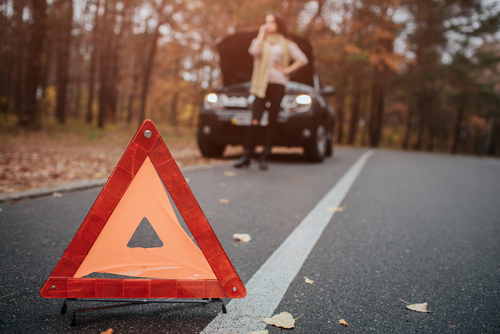
Your Legal Rights When Wildlife Crosses Your Path – Understanding Montana Law
Unlike traditional car accidents where you can pursue the at-fault driver, wildlife collisions present unique legal challenges since animals aren’t liable parties. However, working with a car accident lawyer in Montana becomes essential when other factors contribute to your accident. Montana follows a 51% modified comparative negligence standard, meaning you can recover damages only if you’re less than 50% at fault for the incident. This becomes particularly relevant if another driver’s actions – such as swerving into your lane to avoid an animal – caused your collision. Your comprehensive insurance coverage becomes your primary source of recovery for direct wildlife strikes, but understanding Montana’s landmark wildlife crossing laws can help you identify if inadequate road safety measures contributed to your accident.
💡 Pro Tip: Review your auto insurance policy carefully – comprehensive coverage typically has lower deductibles than collision coverage and specifically covers wildlife strikes. Many Montana drivers don’t realize this coverage difference could save them hundreds of dollars.
The Timeline for Wildlife Accident Claims – What to Expect
Navigating the aftermath of a wildlife collision requires swift action and understanding of both insurance timelines and legal deadlines. With 13% of reported collisions in Montana being wildlife-related according to the Montana Department of Transportation, insurance companies have established procedures for these claims. Your path to recovery typically follows a predictable timeline, though complications can arise when multiple parties are involved or when Montana livestock owner liability limits in vehicle accidents come into play.
- Immediately after the accident: Contact law enforcement to file a report and document the incident – this creates an official record crucial for insurance claims
- Within 24-48 hours: Notify your insurance company and begin the comprehensive coverage claim process, providing all documentation from the scene
- First week: Have your vehicle inspected by an insurance adjuster who will assess whether repairs are feasible or if your vehicle is a total loss
- Within 30 days: If another driver contributed to your accident, consult with a car accident lawyer in Montana to preserve your rights under the state’s two-year statute of limitations
- 2-8 weeks: Complete insurance settlement negotiations, keeping in mind that wildlife collision claims through comprehensive coverage don’t typically increase your premiums like at-fault accidents do
💡 Pro Tip: Montana law allows salvaging of deer, elk, moose, and antelope killed in vehicle collisions through FWP permits. While handling your claim, you can legally harvest the animal for meat, though Montana FWP makes no guarantee about fitness for consumption.
Finding Resolution After Wildlife Accidents – Your Path Forward
Recovering from a wildlife collision involves more than just filing an insurance claim. While comprehensive coverage handles direct animal strikes, situations become complex when other drivers are involved or road conditions contribute to accidents. The legal team at Tipp Coburn Lockwood P.C. understands the unique challenges Montana drivers face on rural highways. Whether you’re dealing with an insurance company denying your claim, facing disputes about comparative fault, or suffering injuries from swerving to avoid wildlife, having experienced legal representation ensures you’re not left bearing costs alone. A car accident lawyer in Montana can evaluate whether factors like inadequate wildlife crossing infrastructure or another driver’s negligence contributed to your accident, potentially opening additional avenues for compensation beyond your own insurance coverage.
💡 Pro Tip: Keep all receipts for towing, rental cars, and medical treatment. Even with comprehensive coverage, you may have recoverable expenses that your insurance doesn’t fully cover, especially if another party shares fault.
Hidden Factors That Impact Your Wildlife Accident Claim
Wildlife accidents often involve circumstances that extend beyond the simple animal-vehicle collision. Understanding these hidden factors can significantly impact your ability to recover damages. For instance, Montana’s new infrastructure improvements, including wildlife crossings that have reduced collisions by 85% in project areas like Wyoming’s Trapper’s Point, establish a precedent for highway safety standards. If your accident occurred in an area known for frequent wildlife crossings but lacking proper safety measures, this could strengthen your case. Additionally, the time of day, weather conditions, and actions of other drivers all play crucial roles in determining fault and compensation. A car accident lawyer in Montana can help identify these less obvious factors that insurance companies might overlook.
The Role of Road Design and Maintenance
Poor road design or inadequate maintenance can contribute to wildlife accidents in ways many drivers don’t consider. Missing or damaged wildlife warning signs, overgrown vegetation blocking sightlines, and insufficient lighting in known crossing areas all represent potential liability issues. Montana’s landmark wildlife crossing laws, particularly House Bill 855 which established the Wildlife Highway Crossings Account, demonstrate the state’s recognition that infrastructure plays a vital role in preventing these accidents. When road authorities fail to implement reasonable safety measures despite known wildlife hazards, they may share liability for resulting accidents. This expanded view of liability becomes especially important when your damages exceed insurance coverage limits.
💡 Pro Tip: Research the accident history of your collision location using Montana’s Statewide Crash Data system. A pattern of wildlife accidents in the same area could indicate negligent road management, strengthening your potential claim.
Insurance Coverage Complexities in Montana Wildlife Accidents
While comprehensive coverage typically handles wildlife collisions, Montana drivers often discover coverage gaps when filing claims. Understanding these complexities helps you maximize your recovery and avoid costly surprises. Unfortunately, even though Montana law requires all drivers to carry liability insurance, some people still drive without it or with inadequate coverage. This becomes problematic when another driver’s actions contribute to your wildlife accident. Your uninsured motorist coverage, which agents must provide unless you specifically decline it, becomes crucial in these scenarios. Working with a car accident lawyer in Montana ensures you’re accessing all available insurance resources, including coverage you might not realize applies to your situation.
When Multiple Insurance Policies Apply
Complex wildlife accidents often trigger multiple insurance coverages. If you swerve to avoid an elk and hit another vehicle, both comprehensive and collision coverage might apply. Similarly, if another driver forces you into a wildlife collision, their liability coverage enters the picture alongside your comprehensive coverage. Understanding how these policies interact under Montana livestock owner liability limits in vehicle accidents and other state-specific rules requires careful analysis. Insurance companies may attempt to shift responsibility between policies or argue about primary versus excess coverage, potentially delaying your compensation. Having legal representation prevents insurance companies from taking advantage of coverage confusion.
💡 Pro Tip: Request written explanations for any coverage denials or limitations. Insurance companies must justify their decisions under Montana law, and these explanations often reveal grounds for challenging unfair claim handling.
Frequently Asked Questions
Common Concerns About Wildlife Accidents and Legal Rights
Montana drivers facing wildlife collision aftermath often share similar questions and concerns about their rights and options. Understanding these common issues helps you navigate your own situation more effectively.
💡 Pro Tip: Prepare a detailed timeline of events before consulting with an attorney. Include weather conditions, time of day, and any contributing factors to help your lawyer identify all potential sources of compensation.
Understanding Your Next Steps After a Wildlife Collision
Taking the right steps after a wildlife accident protects your interests and strengthens any potential claims. From dealing with insurance adjusters to understanding when legal representation becomes necessary, knowing what to expect helps reduce stress during recovery.
💡 Pro Tip: Don’t accept the first settlement offer without understanding your full damages. Medical injuries from wildlife accidents can have delayed symptoms, and vehicle damage assessments might miss hidden problems.
1. Can I sue the state of Montana if poor road conditions or lack of wildlife crossings contributed to my accident?
While governmental entities have certain immunities, they can be held liable for dangerous road conditions they knew about but failed to address. If your accident occurred in an area with documented wildlife collision history but no safety measures, consulting with a Missoula Montana Auto Accidents attorney can help determine if the state or local government shares responsibility.
2. What if I swerved to avoid a deer and hit another car – who is at fault under Montana comparative negligence law?
Montana’s 51% modified comparative negligence rule means fault gets apportioned based on each party’s actions. While swerving is often instinctive, it can create liability if it causes additional accidents. Your percentage of fault affects your recovery, but you can still receive compensation if you’re less than 50% responsible.
3. Does hitting livestock on Montana highways follow the same rules as wildlife accidents?
Livestock accidents involve different legal standards. Montana law states livestock owners have no duty to keep animals from wandering on most highways, and owners aren’t liable unless they were grossly negligent or acted intentionally. This differs significantly from wildlife accidents where no owner exists.
4. How long do I have to file a lawsuit if another driver caused me to hit wildlife?
Montana’s statute of limitations for personal injury and property damage claims is generally two years from the accident date. However, insurance claim deadlines are typically much shorter. Contact a Montana wildlife accident claims attorney promptly to preserve all your legal options.
5. Will my insurance rates increase after a wildlife collision in Montana?
Comprehensive coverage claims for wildlife strikes typically don’t increase premiums like at-fault accidents do. However, multiple claims might affect rates. If another driver’s negligence contributed to your wildlife accident, pursuing their liability coverage instead of your comprehensive coverage could protect your premiums.
Work with a Trusted Auto Accidents Lawyer
Wildlife accidents on Montana’s highways present unique legal challenges that differ from standard vehicle collisions. While insurance coverage provides the first line of financial recovery, understanding your full legal rights ensures you’re not left bearing unfair costs. Whether dealing with insurance disputes, accidents involving multiple parties, or injuries resulting from wildlife encounters, having knowledgeable legal guidance makes a substantial difference in your outcome. The intersection of insurance law, comparative negligence principles, and Montana’s specific wildlife-related statutes creates a complex legal landscape that benefits from professional navigation. Taking prompt action to protect your rights, document your damages, and explore all available compensation sources positions you for the best possible recovery after a wildlife accident.
If you’re dealing with the aftermath of a wildlife collision, don’t let confusion and financial stress take the wheel. Connect with Tipp Coburn Lockwood P.C. to ensure you’re on the right road to recovery and compensation. Give us a call at 406-506-0575 or contact us today to explore your legal options.