Montana’s Unique Stance on DUI Checkpoints: What Every Driver Should Know
If you’ve ever driven through other states and encountered a DUI checkpoint, you might wonder whether these roadblocks are legal in Montana. The answer might surprise you: Montana is one of only a handful of states that does not allow sobriety checkpoints, making it crucial to understand your rights during any traffic stop. For a police officer to legally pull over a driver in Montana, they must have reasonable suspicion that a crime or traffic violation has occurred. Without reasonable suspicion, any evidence obtained during the stop cannot be used against the driver in court. This protection becomes especially important if you find yourself facing DUI charges in Missoula or anywhere else in Big Sky Country.
💡 Pro Tip: Always remain calm and polite during any traffic stop, but remember you have the right to remain silent beyond providing your license, registration, and insurance information.
If you’re navigating the complexities of a DUI charge in Montana, it’s time to protect your rights with Tipp Coburn Lockwood P.C. Reach out to us at 406-506-0575 or contact us to ensure your case is handled with the utmost care and professionalism.
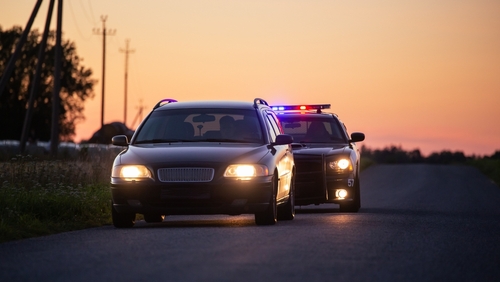
Your Constitutional Protections During Montana Traffic Stops
Montana’s prohibition of DUI checkpoints stems from both state constitutional protections and legislative decisions that prioritize individual privacy rights. Unlike many states that conduct random sobriety checkpoints, Montana law requires officers to have specific, articulable reasons for every traffic stop. This reasonable suspicion standard means an officer must observe something concrete—such as swerving, speeding, broken taillights, or other traffic violations—before initiating a stop. Understanding these protections is vital because any evidence gathered during an illegal stop, including breath test results or field sobriety test performance, becomes inadmissible in court. When you consult a lawyer about your case, they’ll first examine whether the initial stop met legal requirements, as this often forms the foundation of a strong defense strategy.
💡 Pro Tip: If stopped, politely ask the officer why you were pulled over—their answer becomes part of the official record and can be crucial for your defense.
What Happens During a DUI Stop: A Step-by-Step Guide
When an officer suspects impaired driving during a lawful traffic stop in Montana, a specific sequence of events typically unfolds. Understanding this process helps you protect your rights while avoiding actions that could worsen your situation. A DUI lawyer in Montana can explain how each step affects your case and identify where officers may have violated procedures.
- Initial Contact: Officer approaches your vehicle and requests license, registration, and proof of insurance while observing for signs of impairment
- Preliminary Questions: Officer may ask about alcohol consumption, destination, or time of last drink—you’re not required to answer these questions
- Field Sobriety Tests: Officer may request you perform standardized tests like walk-and-turn or one-leg stand—participation is voluntary in Montana
- Preliminary Breath Test: Roadside breath test may be requested—refusal can have consequences but differs from official breath testing at the station
- Arrest Decision: Based on observations and test results, officer decides whether probable cause exists for DUI arrest
- Official Testing: At the station, you’ll be asked to submit to breath or blood testing—refusal triggers automatic license suspension under implied consent laws
💡 Pro Tip: Document everything you remember about the stop immediately after it happens, including weather conditions, exact location, and officer statements—these details fade quickly but can be crucial for your defense.
How Tipp Coburn Lockwood P.C. Protects Your Rights After a DUI Stop
Facing DUI charges can feel overwhelming, especially when you’re unsure whether your rights were respected during the traffic stop. At Tipp Coburn Lockwood P.C., our attorneys understand the nuances of Montana DUI law and know exactly what to look for when examining the legality of your stop. We meticulously review dash cam footage, police reports, and witness statements to identify any violations of your constitutional rights. If officers lacked reasonable suspicion for the initial stop or failed to follow proper procedures, we’ll file motions to suppress illegally obtained evidence. Our firm’s deep knowledge of Montana Code 46-5-502 temporary roadblocks and related statutes ensures we catch details others might miss, potentially leading to reduced charges or case dismissal.
💡 Pro Tip: Time is critical in DUI cases—contact an attorney immediately to preserve evidence and protect your driving privileges through the administrative license suspension process.
Understanding Reasonable Suspicion vs. Probable Cause in Montana DUI Stops
The distinction between reasonable suspicion and probable cause forms the backbone of DUI defense in Montana. Reasonable suspicion—a lower standard—allows an officer to initiate a traffic stop based on specific, observable facts that suggest criminal activity. This might include weaving within your lane, driving significantly under the speed limit, or committing traffic violations. However, probable cause—a higher standard—is required for arrest and typically develops during the stop through observations like alcohol odor, slurred speech, or failed sobriety tests. A skilled DUI lawyer in Montana examines whether officers properly established each level of suspicion, as jumping from minor traffic infractions directly to arrest without developing probable cause violates your rights.
Common Reasonable Suspicion Mistakes Officers Make
Officers sometimes stretch reasonable suspicion beyond legal limits, claiming normal driving behaviors justify stops. For instance, briefly touching a lane line without crossing it, taking a wide turn at low speed, or driving exactly at the speed limit late at night don’t necessarily constitute reasonable suspicion. According to the Montana DUI Quick Reference Manual v1.1, officers must articulate specific facts that distinguish suspicious behavior from innocent conduct. Your attorney will scrutinize the officer’s stated reasons against established case law to determine if the stop was pretextual or lacked adequate justification.
💡 Pro Tip: If an officer claims you were "driving suspiciously" without specific details, this vague assertion rarely satisfies Montana’s reasonable suspicion requirement.
The Consequences of Refusing DUI Testing in Montana
Many states have criminalized the refusal to participate in DUI testing, including field sobriety tests, Breathalyzer tests, or providing blood samples. In Montana, while you can refuse field sobriety tests without criminal penalties, refusing official breath or blood testing after arrest triggers serious consequences under implied consent laws. This refusal results in automatic license suspension for six months on a first offense, regardless of whether you’re ultimately convicted of DUI. Additionally, prosecutors can use your refusal as evidence of guilt at trial, arguing consciousness of guilt. However, a DUI lawyer in Montana may challenge whether officers properly advised you of these consequences or whether you had valid reasons for refusal, such as medical conditions affecting your ability to provide samples.
Strategic Considerations for Test Refusal
The decision to refuse testing involves complex calculations that vary by individual circumstances. While refusal eliminates direct blood alcohol evidence, it doesn’t guarantee avoiding conviction, as prosecutors can proceed based on officer observations and driving patterns. Some clients with prior DUI convictions or commercial driver’s licenses face enhanced penalties that make refusal particularly costly. Conversely, drivers with extremely high blood alcohol levels might face aggravated DUI charges if they test, making refusal a consideration despite the automatic suspension. Each situation requires careful analysis of the specific facts and potential outcomes.
💡 Pro Tip: If you have a medical condition that affects your ability to provide breath samples, inform the officer immediately and request alternative testing methods—this prevents refusal charges while protecting your rights.
Frequently Asked Questions
Common Legal Concerns About DUI Stops in Montana
Understanding your rights during DUI stops in Montana can mean the difference between conviction and acquittal. These questions address the most common concerns drivers face when encountering law enforcement on Montana roads.
💡 Pro Tip: Keep a card in your vehicle with your attorney’s contact information and a reminder of your basic rights during traffic stops.
Next Steps After a DUI Stop or Arrest
Taking prompt action after a DUI stop protects both your driving privileges and your criminal defense. Montana’s administrative and criminal processes have different deadlines and requirements that can trap the unwary.
💡 Pro Tip: Request a hearing on your license suspension within 30 days of arrest—missing this deadline forfeits your right to challenge the administrative suspension.
1. Can Montana police set up DUI checkpoints during special events or holidays?
No, Montana law prohibits DUI checkpoints regardless of the occasion. While other states increase checkpoint activity during holidays or events like Testicle Festival in Clinton or Missoula’s River City Roots Festival, Montana officers must still establish reasonable suspicion for each individual stop. However, expect increased patrols and officers watching for traffic violations during these high-risk times.
2. What should I do if I believe I was stopped without reasonable suspicion?
Document everything you remember about the stop immediately, including the officer’s stated reason, exact location, time, and conditions. Don’t argue with the officer at the scene—comply with lawful orders while preserving your right to challenge the stop later. Contact a DUI lawyer in Montana quickly to request dash cam footage and police reports before evidence disappears.
3. Are field sobriety tests mandatory in Montana?
No, field sobriety tests are voluntary in Montana, and you can politely decline without criminal penalties. However, refusing these tests may still influence the officer’s decision to arrest based on other observations. Unlike chemical tests after arrest, refusing field sobriety tests doesn’t trigger automatic license suspension, though officers rarely explain this distinction.
4. How does Montana’s lack of DUI checkpoints affect enforcement?
Without checkpoints, Montana officers rely heavily on traffic enforcement to identify impaired drivers. This means they’re often looking for any traffic violation—no matter how minor—that provides reasonable suspicion for a stop. Officers may follow vehicles for extended distances waiting for any infraction, making perfect compliance with all traffic laws essential when driving after drinking any amount of alcohol.
5. Can I be arrested for DUI if I’m under the legal limit?
Yes, Montana law prohibits driving under the influence of alcohol regardless of your blood alcohol content. While 0.08% BAC creates a presumption of impairment, prosecutors can pursue charges at lower levels if they can prove alcohol affected your ability to safely operate a vehicle. This often depends on driving pattern, performance on field sobriety tests, and officer observations.
Work with a Trusted DUI Lawyer
Navigating Montana’s DUI laws requires understanding both what makes our state unique—like the absence of sobriety checkpoints—and what remains universally challenging about these cases. The stakes are high: license suspension, mandatory alcohol education, ignition interlock devices, and potential jail time all threaten your freedom and livelihood. Working with attorneys who understand local prosecutors, judges, and law enforcement practices in Missoula County makes a significant difference in outcomes. Whether challenging the initial stop’s legality, negotiating alternative sentencing, or taking your case to trial, having experienced legal representation protects your rights at every stage.
When faced with the legal maze of DUI charges in Montana, turn to Tipp Coburn Lockwood P.C. for a trusted guide. Don’t let uncertainty hold you back—dial 406-506-0575 or contact us today and let us help protect your rights with precision and care.